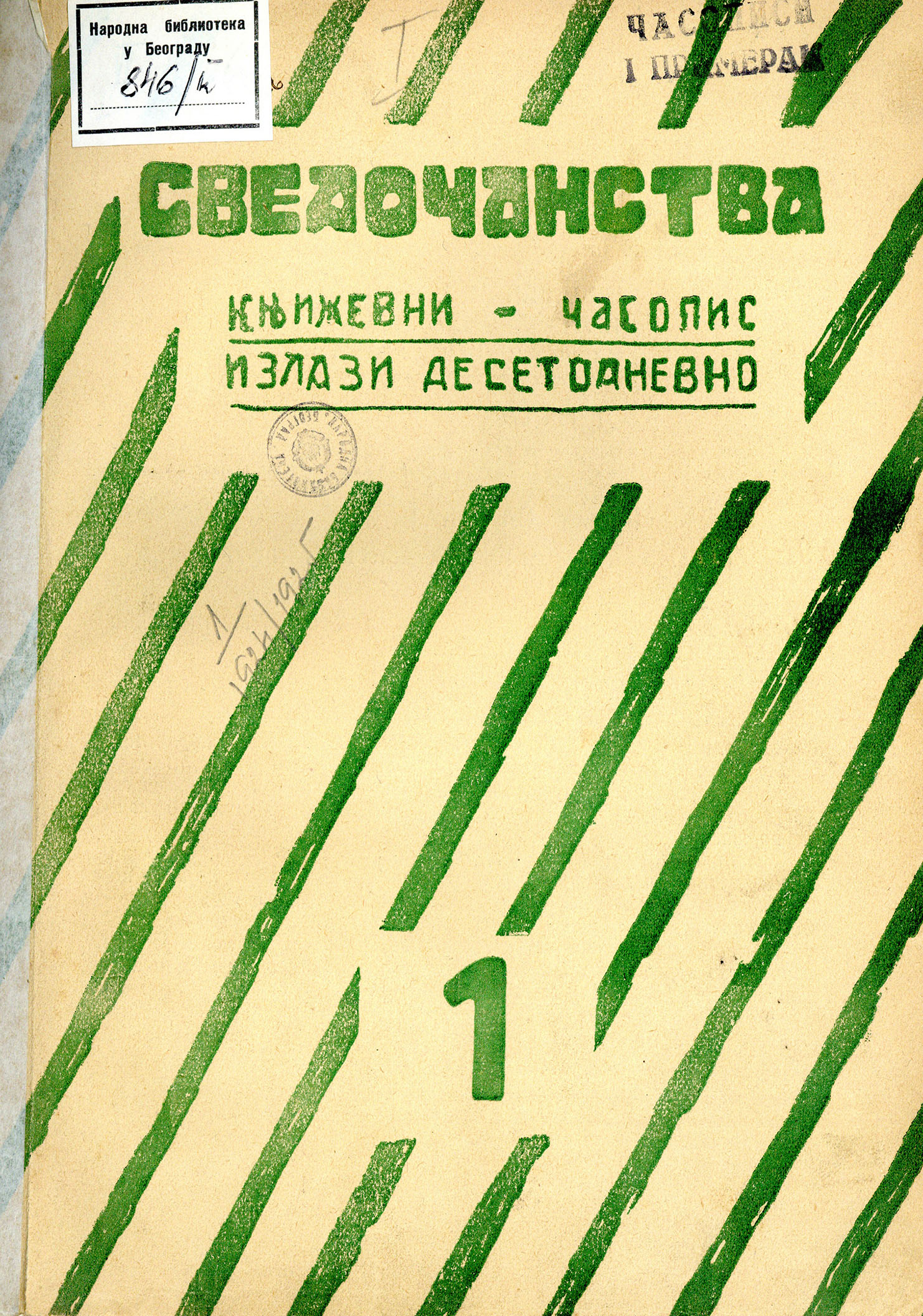
Политичка криза и избијање Првог светског рата на тлу Европе утицали су на промену перцепције човека двадесетог века, што се може пратити у стилским формацијама, од појаве футуризма и експресионизма па до краја надреализма током тридесетих година, када је европско друштво поново утонуло у кризу и диктатуре које су довеле до новог рата. Овај период историјске авангарде био је обележен снажном уметничком побуном против грађанског друштва, његове економије, класне раслојености, као и тока европског модернизма. Млади побуњени људи ударили су „шамар јавном укусу“ и бацили традиционалне уметничке величине са „палубе савремености“. Једна нова уметност је почела да се рађа из мунковског крика који је позивао на уметничку револуцију и превредновање света какав је био познат до тада. Различити „изми“ који су обележили ово доба, представљали су дивергентне уметничке појаве, које су ипак имале један заједнички именитељ: били су засновани на поетици оспоравања старих канона и вредности.
Авангардне уметничке праксе на тлу Југославије биле су синхроне са европским уметничким кретањима. Карактерисала су их прекорачења свих врста, откривање нових медија, њихово комбиновање и залагање за естетско превредновање света. Посебно је занимљиво пратити интермедијалност авангардне уметности, као и експериментисања са језиком и писмом, што је довело до артикулисања будуће индустрије адвертајзинга, па и до радикалних естетских интервенција у простору човековог становања. Часописи су постали главни носиоци авангардних идеја и креативних енергија. Многи од њих су излазили кратко, у веома скромном тиражу и представљали су тачке кохезије малих авангардистичких уметничких група, које су биле повезане са сличним скупинама на другим тачкама континента. Гледано са становишта двадесет првог века, готово је невероватан синхроницитет уметничких пракси који би се могао установити компаративним увидом у периодику тог доба. Југословенски Zenit, мађарски Ma, немачки Merz, француски Manomètre, чешки Devětsil или бугарски Plamk били су уметнички израз једног времена разореног ратом и политичким кризама.
Колекција часописа југословенске авангарде пружа читаоцима на увид текстуална и визуелна сведочанства једне борбе за успостављање нових друштвених односа, нове хуманости и солидарности, јединствене потраге за новим човеком, како се тада говорило. На страницама ових часописа, а то је њихова непревазиђена вредност, појавила су се имена не само југословенских уметника и активиста, већ и нека од највећих имена европске уметности од Гибралтара до Урала, од Шпицбергена до Медитерана. |
Година издавањаЈезик | |
|
|
|
|